Start with the information visitors need
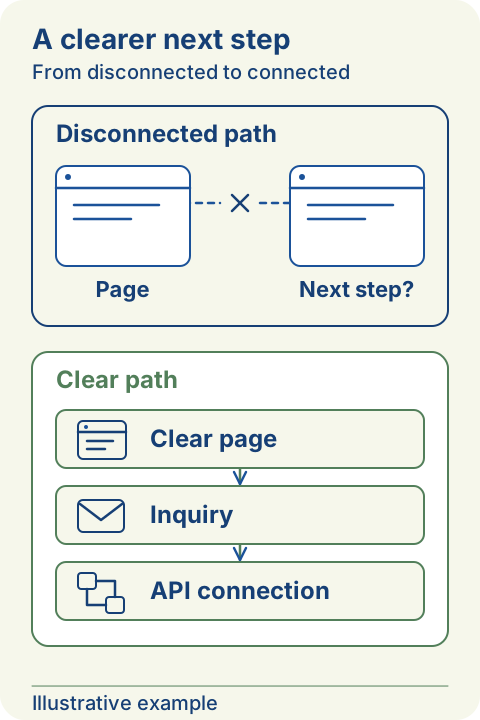
A prospective customer opens your website after seeing a social post or receiving a recommendation. They are interested but have not yet understood the services available. The photographs look polished, while the scope of work and how to begin are still hard to find.
Read the fuller explanation
In this situation, adding animation may not answer the visitor's need. The service explanation and the order of information need attention first.
Kavushion approaches website development from that perspective. Design, writing, and development address the questions someone needs answered before contacting your business.
Give each page a clear job
The homepage can introduce the business and help visitors choose a service. A service page explains suitability, included work, and points that require further discussion. The contact section explains how a conversation begins.
Read the fuller explanation
Imagine an interior business. Visitors may want to know whether it offers design alone, makes furniture, or handles renovation. They also need to understand its service area and what to prepare when requesting a proposal.
Choose a website around the work it supports
Planning around these questions gives a clearer basis for choosing the pages, images, and forms the website needs. The information should help the visitor make a decision rather than simply fill a layout.
Read the fuller explanation
Kavushion's website and system services can cover company websites, e-commerce, and custom dashboards. The choice follows the work the project should support. A product catalog, for example, needs different information from a page inviting service inquiries.
Plan what happens after someone gets in touch
Website planning also needs to cover what happens after a prospective customer sends a question. Who reads it? What information is needed for a useful reply? Does the team need to record follow-up status?
Read the fuller explanation
If integrations are needed, system access and limitations must be checked before promising a feature. Content, hosting, and maintenance should also be discussed as part of the scope rather than assumed to be included automatically.
To begin a discussion with Kavushion, bring your current website address, examples of customer questions, and one action you most want the website to support. This gives more useful context than a long feature list with no clear purpose.
Before your next conversation
- Collect questions prospective customers actually ask.
- Define the main action each page should support.
- Name the content and contact follow-up owners.
- Separate integration, hosting, and maintenance requirements.